Key takeaway
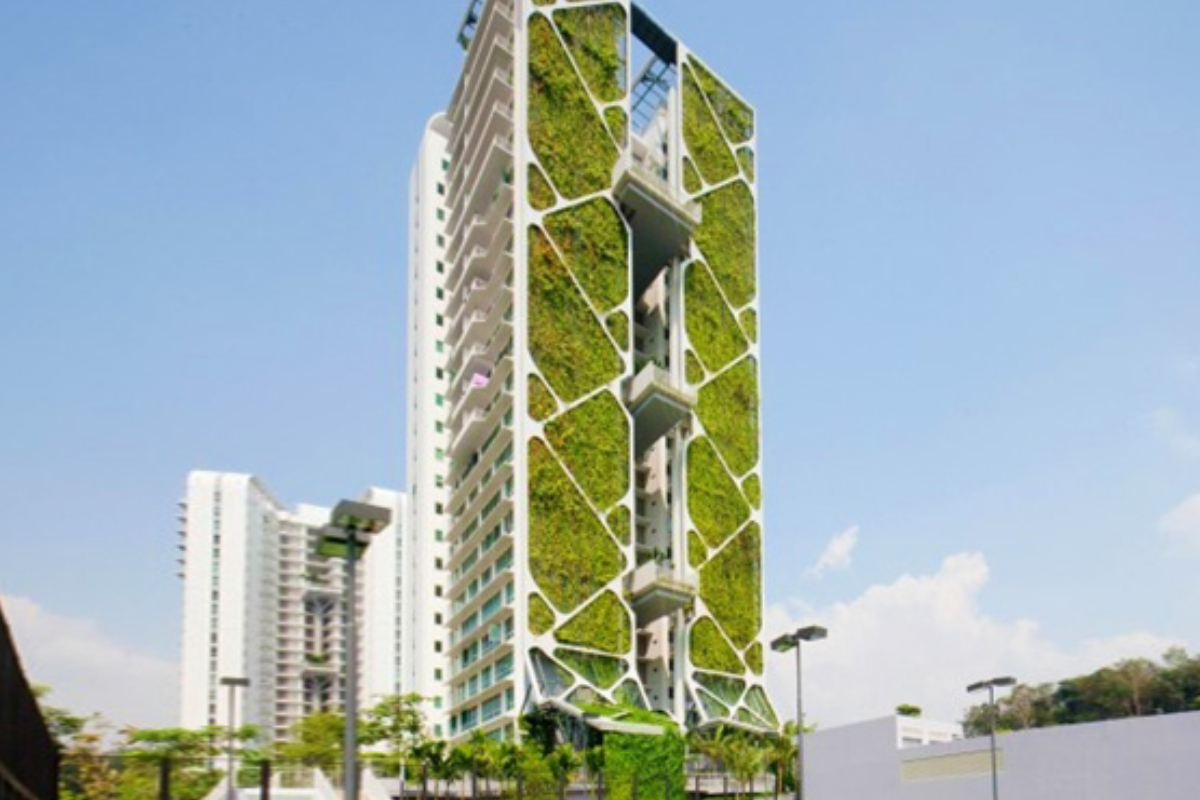
The condominium known as Tree House in Singapore features a massive vertical garden measuring 2,289 m², which earned a spot in the Guinness World Records in April 2014 for the largest vertical garden in the world. This living wall transforms the facade into a green cooling layer, reduces energy use, and offers a unique visual experience for residents. Its innovative design confirms the title’s promise of a “condominium with a Guinness Record vertical garden in Singapore.”
The moment you pull into 60 Chestnut Avenue, you notice a fresh approach to residential design. Tree House is more than a collection of apartments; it is a development where architecture and nature intersect. Four towers rise with greenery cascading down their facades, immediately distinguishing this condominium from conventional developments. The vertical garden does more than impress; it actively shapes the living experience, offering shade, cooling, and a striking aesthetic. This article explains how this record‑setting feature works and why it matters in Singapore’s urban landscape.
The record‑setting green wall up close
Tree House sits at 60–68 Chestnut Avenue in District 23 (Bukit Panjang/Bukit Batok). It is a 99‑year leasehold development launched on 23 November 2009. The vertical garden spans a surface area of 2,289 m², covering much of the western‑facing facade of the towers. In April 2014, Guinness World Records officially recognised it as the largest vertical garden in the world at that time.
This garden is far more than decoration. It acts as a bio‑shield, with creepers and flowering plants reducing heat absorption, filtering dust and pollutants, and providing natural cooling for units behind. The wall shows how thoughtful design can make a residence environmentally conscious while also enhancing aesthetics. Its concept resonates with Singapore’s first Valley Condominium developments, which historically brought innovation to private housing layouts.
Design and construction details of Tree House
The four towers each rise 24 storeys and were completed in 2013. The architecture team, ADDP Architects LLP, collaborated with landscape architect COEN Design International Pte Ltd to create a seamless integration of greenery and modern apartment living. Developer City Developments Limited (CDL), through Chestnut Avenue Developments Pte Ltd, brought the project to life with careful attention to sustainability and urban aesthetics.
The site occupies approximately 22,700 m², with a gross floor area of around 52,437 m². The vertical garden itself stretches roughly 78 metres high and 20 metres wide. This feature aligns with Singapore’s broader “City in a Garden” initiative, reinforcing the city-state’s commitment to urban greenery, livability, and biodiversity.
Why this green wall matters for Tree House residents
Residents experience a home that actively enhances comfort. The green wall reduces heat gain, helping to lower cooling requirements while softening the visual impact of the towers. It also establishes a connection to nature that is rare in high-density urban living. Residents can enjoy the sight of greenery throughout the day, which improves mental well-being and fosters a sense of calm.
- Natural insulation: The green wall reduces heat absorption on western-facing facades.
- Energy savings: Air-conditioning demand can drop by 15 % to 30 % due to the cooling effect.
- Award credentials: BCA Green Mark Platinum status recognises Tree House’s sustainability innovations.
Tree House’s vertical garden also reflects Singapore’s wider approach to integrating greenery into the urban environment. From private residences to public attractions, the city uses living walls and green roofs to improve air quality and enhance visual appeal. One prominent example is Haw Par Villa and Gardens by the Bay, which combines large-scale landscaping with architectural design to redefine urban greenery.
Key milestones and credentials
- Site acquisition: CDL and Hong Leong Group joint venture secured planning and purchased the site around 2009.
- Construction and completion: TOP obtained in 2013, with full completion following shortly after.
- Vertical garden installation: Plants such as Thunbergia grandiflora and Bauhinia kockiana were selected and installed during construction.
- Guinness World Record: Certified in April 2014 as the largest vertical garden globally at that time.
- Ongoing operation: The garden continues to function as a living facade and a signature feature of the development.
Detailed facts about Tree House at a glance
| Building | Key facts | Nearest MRT | Sources |
|---|---|---|---|
| Tree House | 24 storeys, 429 units, completed 2013, Vertical garden 2,289 m², Green Mark Platinum | Cashew (DT2) / Hillview (DT3) | Official project data |
Plant Selection and Biodiversity
The vertical garden at Tree House is home to over 25 plant species, carefully chosen to thrive in Singapore’s tropical climate. Creepers, flowering shrubs, and ferns provide year-round greenery and seasonal variation. Birds, butterflies, and pollinators are frequently spotted around the wall, turning it into a small urban ecosystem. Species were selected for resilience and low maintenance, ensuring the wall remains vibrant while using minimal water and nutrients.
Community and Lifestyle Benefits
Living at Tree House offers more than environmental advantages; the vertical garden shapes community life. Residents report higher engagement in communal green spaces and a sense of calm from daily exposure to greenery. The wall also becomes an informal learning space for children to observe plant growth and seasonal changes. Neighbours and passersby enjoy the visual relief it provides, extending wellness benefits beyond the development.
The vertical garden also inspires creative uses of outdoor areas, such as casual seating spots and small social gatherings near the greenery. Residents often organize informal meetups or morning stretches along the landscaped zones, fostering stronger community bonds. By integrating nature into daily routines, Tree House encourages a lifestyle that balances urban living with well-being, making the green wall a focal point for both social interaction and personal relaxation.
Maintenance and Sustainability Practices
Maintaining a world-record vertical garden requires careful planning. Tree House uses an automated irrigation and nutrient delivery system, ensuring plants receive the right care. Regular pruning and monitoring prevent overgrowth, pest issues, and nutrient deficiencies. These practices maintain the visual appeal, keep resource use low, and ensure the garden continues to provide cooling, air filtration, and aesthetic benefits over the long term.
The maintenance team also conducts periodic assessments to evaluate plant health and replace any underperforming species. Advanced sensors track soil moisture, temperature, and sunlight exposure, allowing adjustments to irrigation and nutrient supply in real time. This proactive approach ensures the garden remains lush and resilient throughout Singapore’s varying weather conditions. By combining technology with horticultural expertise, Tree House demonstrates how sustainable practices can support both ecological and residential goals.
What the record means for greener living
Tree House proves that vertical gardens can be more than aesthetic. They serve practical functions: reducing heat, providing insulation, and improving air quality. The green wall enhances residents’ quality of life while influencing broader design thinking in Singapore. Its integration reflects global skyrise greenery standards for high-density urban areas.
From a resident’s perspective, Tree House provides both a tangible and visual connection to nature. The green canopy blends with the Bukit Timah landscape, softening the urban environment and creating a sense of calm. It shows that vertical greenery can be functional, beautiful, and a viable residential feature, reinforcing why the title holds true.
Tying back to the initial question
When asked to identify “the condominium with a Guinness Record vertical garden in Singapore,” Tree House stands out. Its 2,289 m² living wall, certified by Guinness World Records, actively cools units, reduces energy use, and filters pollutants, making daily living more comfortable for residents. Beyond functionality, it creates a striking landmark that blends architecture with greenery, showing how high-rise design can be both innovative and sustainable.
Tree House proves that vertical greenery can define a building’s identity while delivering tangible benefits. It demonstrates how careful design can transform urban living, making a condominium both environmentally responsible and visually memorable, fully fulfilling the promise in its title.