Key takeaway
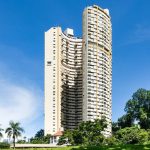
Pandan Valley Condominium, Singapore’s first valley-style private housing completed in 1978, introduced a new approach to condominium living. Its integration of lush greenery, terraced layouts, and a self-contained community reshaped expectations for private developments, influencing both design and lifestyle standards for future residential projects in the city-state.
In 1978, Pandan Valley Condominium opened its doors to residents, marking a turning point in Singapore’s private housing landscape after the era of the first postwar flats. Moving away from conventional high-rise blocks, it offered a unique valley-style layout that maximised greenery, privacy, and community spaces, setting a template for future developments.
Architectural Innovation at Pandan Valley
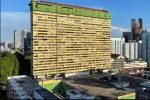
The condominium was designed by renowned architect Kisho Kurokawa, a leading figure in the Metabolist movement, who emphasized harmonizing architecture with nature. Pandan Valley features terraced apartments cascading along a gentle slope, allowing each unit to capture views of surrounding greenery and natural light. The terraces were carefully designed to provide private outdoor space, reduce noise, and enhance airflow. The use of warm-toned facades and textured concrete created a human-scale feel, softening the dense urban environment. These design choices reduced the typical sense of crowding in high-rise living, fostering a sense of openness and community, while adapting principles that were Habitat 67-inspired.
Key Features
- Valley-style terraced design maximizing natural light, ventilation, and private outdoor space
- Communal gardens, playgrounds, and recreational areas fostering community interaction
- Proximity to Pandan Reservoir, walking trails, and green corridors for leisure and connectivity
- Integration of private and communal spaces to balance privacy with social cohesion
- Use of warm-toned facades and textured materials creating a human-scale and welcoming aesthetic
- Sloped terraces designed to reduce noise, provide better airflow, and enhance energy efficiency
Location and Access
Pandan Valley is situated at 1-15 Jalan Pandan, Singapore 128476, in the Clementi planning area. The nearest MRT station is Clementi MRT, roughly 1.5 km away, providing convenient access to the city and educational hubs. Residents enjoy lush surroundings, with easy access to trails that eventually connect to Singapore’s 24-km green corridor. Its location balances urban convenience with serene surroundings.
Development and Management
Developed by Singapore Engineering & Construction Company, Pandan Valley comprises several blocks ranging from 10 to 12 storeys. The development was carefully planned to integrate communal spaces, landscaping, and recreational amenities within its 3.5-hectare site, ensuring residents enjoyed both privacy and social interaction. It is managed by a resident-elected management council, responsible for maintaining communal gardens, playgrounds, pathways, and building upkeep. Regular coordination with service contractors ensures that plumbing, electrical systems, and greenery remain in top condition. This hands-on management approach has helped preserve the original charm and functionality of the condominium, making it a model for long-term sustainable private housing in Singapore.
Step-by-Step Influence on Private Housing
- The introduction of the valley-style layout encouraged developers to integrate greenery directly into residential projects, making landscaped terraces and communal gardens a standard consideration for future condominiums.
- Terraced apartment design demonstrated how natural light, airflow, and privacy could be maximized, prompting architects to rethink traditional high-rise planning and offer more human-centered layouts.
- Community-oriented planning highlighted the value of shared recreational and social spaces, showing that amenities like playgrounds, barbecue areas, and pavilions could enhance resident satisfaction and social cohesion.
- The design principles pioneered at Pandan Valley influenced subsequent private developments throughout the 1980s and 1990s, with many projects adopting similar approaches to terraces, greenery, and communal areas.
- Pandan Valley set a precedent for environmentally conscious design, laying groundwork for later initiatives such as Singapore’s Green Mark certification, which emphasizes sustainability and energy efficiency in buildings.
Comparative Highlights of Notable Developments
| Building | Key facts | Nearest MRT | Sources |
|---|---|---|---|
| Pandan Valley Condominium | Height 35 m, 12 storeys, completed 1978, no Green Mark | Clementi MRT | Official URA site |
| Valley Park Condominium | Height 40 m, 14 storeys, completed 1984, Green Mark Gold | Queenstown MRT | Official BCA site |
| Hillside View Condominium | Height 42 m, 13 storeys, completed 1986, Green Mark Certified | Buona Vista MRT | Official NHB site |
The Social Life of Pandan Valley Residents
Pandan Valley was designed to encourage community interaction. Residents often gather in communal gardens, playgrounds, and shared pavilions. Weekend barbecues, gardening sessions, and small community events have long been a feature, creating a sense of belonging and fostering friendships among neighbors. These shared spaces were ahead of their time in promoting social cohesion within private housing developments.
Green Design Principles in a 1970s Context
At a time when most private developments focused solely on space efficiency, Pandan Valley incorporated green design elements. Terraced landscaping and open-air corridors provided natural cooling and ventilation, reducing the reliance on mechanical air-conditioning. Strategically placed plants and trees helped screen views and added biodiversity, creating a living environment that felt more connected to nature than typical urban housing blocks.
Influence on Subsequent Condominium Projects
Pandan Valley’s valley-style layout influenced multiple projects in the 1980s and 1990s. Developers started to adopt terraced designs and more communal amenities. The emphasis on integrating greenery became a benchmark for modern private housing, influencing the development of properties such as Valley Park Condominium and Hillside View. Its legacy is still visible in Singapore’s focus on “garden-style” condos that balance architecture with landscape.
Challenges Faced During Construction
Building a terraced condominium on a sloped site was not without challenges. Engineers had to carefully design drainage and structural foundations to prevent erosion and waterlogging. Construction techniques at the time required precise terracing and careful planning of service routes, which increased complexity compared to standard high-rise blocks. Overcoming these challenges set new standards for engineering in hillside condominium development.
Design Lessons for Modern Developments
Developers today continue to draw inspiration from Pandan Valley’s approach. Its emphasis on integrating greenery, maximizing natural light, and fostering community interaction remains relevant. Terraced layouts encourage private outdoor spaces, while shared amenities promote social cohesion among residents.
Tips for Residents Choosing Valley-Style Condominiums
Choosing a valley-style condominium requires attention to both the apartment layout and the surrounding environment. These practical tips can help residents select a unit that balances comfort, convenience, and community living.
- Check for terraced layouts and balcony orientation to ensure each unit receives adequate natural light, ventilation, and privacy from neighboring apartments.
- Assess communal facilities such as gardens, playgrounds, or activity areas to see if they support social interaction and recreational needs for all age groups.
- Consider proximity to public transport, schools, shops, and essential services to make daily commuting and errands convenient.
- Review past maintenance records and management practices to ensure the development remains well-kept and sustainable over the long term.
Preserving a Legacy in Modern Times
Despite being over four decades old, Pandan Valley has maintained its charm through thoughtful renovations and careful upkeep. Residents and management committees continue to preserve the greenery, original layouts, and communal spaces. The development is often cited in architecture and urban planning discussions as an early example of combining high-density living with human-centered design principles, proving that thoughtful planning can stand the test of time.
Looking Back at Pandan Valley’s Legacy
More than four decades later, Pandan Valley remains a reference point for Singapore’s private housing design. Its combination of thoughtful architecture, landscaped surroundings, and community planning continues to influence developers. For a broader overview of how private housing evolved in Singapore, refer to Singapore private housing history.