Key takeaway
The Tanglin Hill Bruneian Hostel is a striking example of colonial architecture in Singapore that once served as a lively home for Bruneian students and officials. Built in 1958, the hostel hosted cultural celebrations, sports matches, and day-to-day student life until it was shut in 1983. Today, it sits abandoned yet emotionally rich, a monument to student community and cross‑national heritage.
In the quiet, leafy enclave of Tanglin Hill, tucked among grand residences, stands a building that reveals a little-known chapter of Singapore’s shared history with Brunei. The Tanglin Hill Bruneian Hostel might look forlorn now, but its brickwork and layout still whisper tales of youthful ambition, cross-cultural community, and the way architecture shapes lives.
Colonial roots: architecture and origins
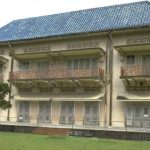
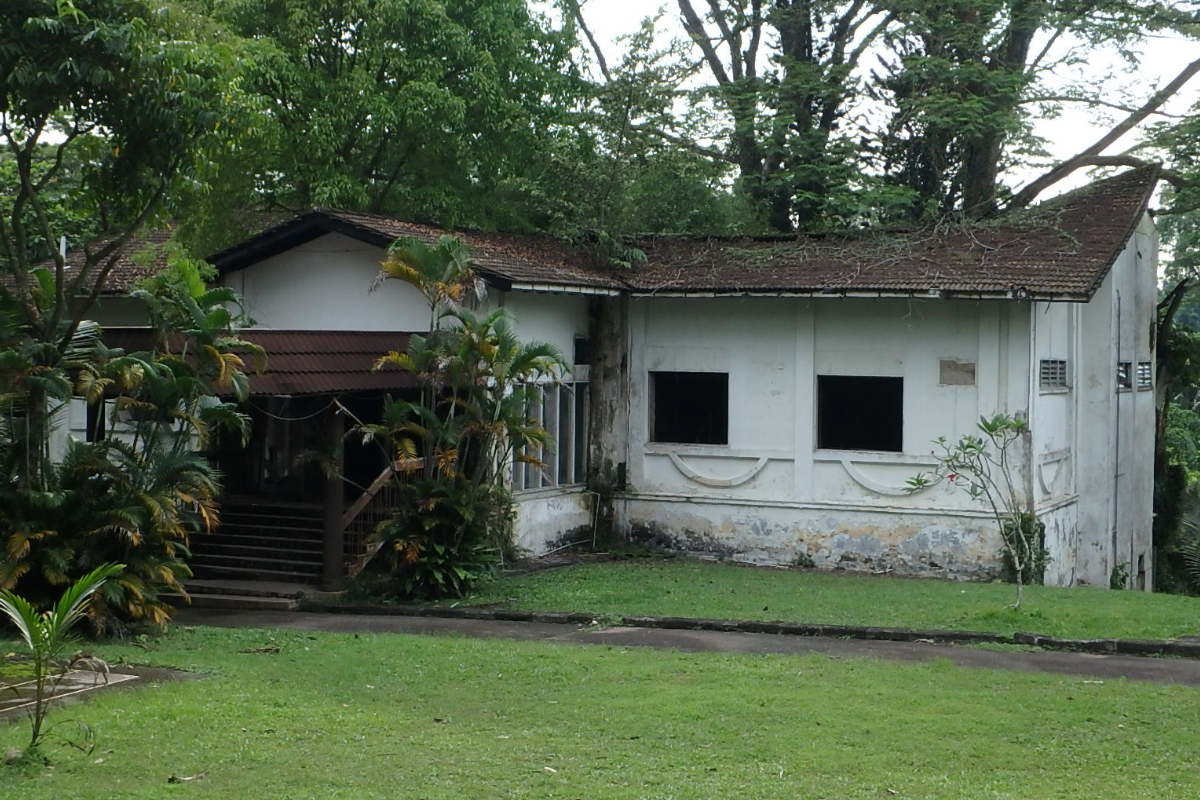
The Bruneian government built the hostel in the mid-1950s for its students studying in Singapore. Officially known as Asrama Kerajaan Brunei di Singapura (AKBS), it was completed in 1958. Architectural styles reflect colonial influence: low‑rise blocks, pitched roofs, large windows, and verandas. As the number of students grew, a more modern, multi‑storey dormitory was added, creating a mix of old and new.
Why colonial style mattered
These architectural choices made practical sense. Verandas and wide windows help with ventilation in the tropics. The pitched roofs are reminiscent of British-era institutional buildings across Singapore. At the same time, the addition of a modern block later on showed adaptability, the hostel evolved with Brunei’s rising education demands.
Hidden features and architectural quirks
Beyond its general layout, Tanglin Hill Bruneian Hostel hides details that reveal its thoughtful design. Each block was oriented to catch natural breezes, keeping interiors cool in Singapore’s tropical climate. The communal dining hall was strategically placed at the center, making it a hub for conversation and student interaction. Small courtyards allowed sunlight to filter through, while staircases and corridors were wide enough to accommodate group activities. Some rooms still have original wooden shutters and tiled floors, showing a careful blend of practicality and style. These hidden features hint at how architecture can subtly guide daily life and community bonding.
Life inside: student experiences at Tanglin Hill
The hostel was more than just a place to sleep. It provided meals, laundry, textbooks, and allowances, everything students needed to focus on their studies. Bruneian government trainees stayed there too, and students from Malaya shared rooms.
Festivals were central to hostel life. Hari Raya and the Sultan’s Birthday were celebrated with energy. Sports were also a major bonding activity; football, badminton, and table tennis tournaments brought everyone together. The overlap of academics, culture, and sports shaped a tight-knit community. Alumni often mention that this environment reminded them of other historical sites, like the abandoned royal palace, adding context to Singapore’s heritage landscape.
A sense of belonging across borders
For Bruneian students far from home, the hostel offered more than shelter; it created a sense of cultural belonging. Shared meals, festivals, and even the daily routines built connections. Many also visited local sites that preserved Chinese heritage, such as the Chinatown Complex, linking their educational experience to broader historical awareness.
The hostel’s decline and closure
By the 1980s, Brunei’s education system had matured. Fewer students were sent to Singapore. In 1983, the Bruneian government decided to close the hostel. It has remained largely abandoned ever since. Buildings have deteriorated, nature is creeping back in, and graffiti now marks its walls.
Despite this, the property remains under the ownership of the Brunei Consulate, creating a complicated situation for redevelopment. The lack of maintenance, combined with zoning rules, has left it in a kind of legal and physical limbo.
Rumours, ghost stories, and explorers
Over the years, the hostel has gained a reputation among urban explorers and enthusiasts of the supernatural. There are frequent reports of ghost sightings, and its overgrown grounds and decaying interiors make it ripe for eerie stories. Some call it haunted, while others see it simply as a fading testament to a bygone era.
Heritage challenges and conservation tension
The hostel is listed on heritage mapping sites, but that does not guarantee formal conservation status. There’s no public plan to restore or repurpose it. As of now, its future depends on the Brunei Consulate’s decisions.
The absence of a clear redevelopment plan has raised debates. Some argue it deserves restoration as a cultural asset. Others point out challenges, such as its privately held status, redevelopment constraints, and potentially high costs. The tension between heritage value and practical realities underscores the fragility of this site. Many visitors, while exploring, connect its grounds to other preserved paths in Singapore, like the green corridor that threads through the city, highlighting the city’s layered urban fabric.
Context within Tanglin and Singapore’s built environment
Located at 7A Tanglin Hill in the Tanglin planning area of Singapore. Tanglin is better known for embassies, private estates, and upscale enclaves, which makes this abandoned hostel all the more unexpected. The contrast between the hostel and its affluent surroundings is striking.
| Building | Key facts | Nearest MRT / Area | Sources |
|---|---|---|---|
| Tanglin Hill Bruneian Hostel | Built 1958, colonial + modern block, closed 1983, abandoned | Tanglin area (Central Region) | Roots.SG, The Smart Local |
Why this hostel still matters today
The Tanglin Hill Bruneian Hostel is more than a decaying structure. It is a physical reminder of how education, diplomacy, and community intersected in mid‑20th century Southeast Asia. It shows how a small student hostel could become a cultural ground, shaping the lives of individuals who later went on to lead.
For Bruneian alumni, it is memory etched in brick. For Singapore, it is a part of urban heritage that is easily overlooked, nestled in a district better known for luxury than history.
- The hostel offered a home for Bruneian students who would not otherwise belong here.
- It built community through shared traditions, sports, and national celebrations.
- Its architecture reflected both colonial legacy and functional adaptation.
- It closed when Brunei’s own system matured, a sign of progress and change.
- Its current state raises important questions about cross‑national heritage and preservation.
Lessons from student life at Tanglin Hill
The Tanglin Hill Bruneian Hostel was more than just a place to sleep and study. Its design, routines, and community shaped how students experienced daily life, leaving lessons that go beyond bricks and mortar. From shared meals to cultural traditions, every aspect of hostel life contributed to a sense of belonging and personal growth.
- Providing housing is about more than shelter: the hostel fostered belonging and culture.
- Cultural traditions matter, celebrating festivals built identity and community.
- Architecture shapes behaviour, verandas, shared rooms, and common areas supported daily interaction.
- Over time, changing national circumstances (like Brunei’s education policy) transformed its function.
- Neglecting a heritage building risks losing stories, not just bricks. Alumni often reference how Bruneian student programs influenced routines and campus life abroad.
Living memories etched in brick
Today, Tanglin Hill Bruneian Hostel stands in silence, but if you pause, you can almost hear laughter from mess halls, the bounce of footballs, and the quiet of late-night study sessions. Its colonial architecture and campus-like layout tell you it was once more than a building; it was home.
The flavor of student life once there adds a human layer to its walls. Even though it now suffers from decay, the building still matters. It remains an emotional bridge: between Brunei and Singapore, between past and present, between architecture and memory. As we think about heritage, we might ask: how do we care for places like this, not only for what they were, but for what they mean to people?