Key takeaway
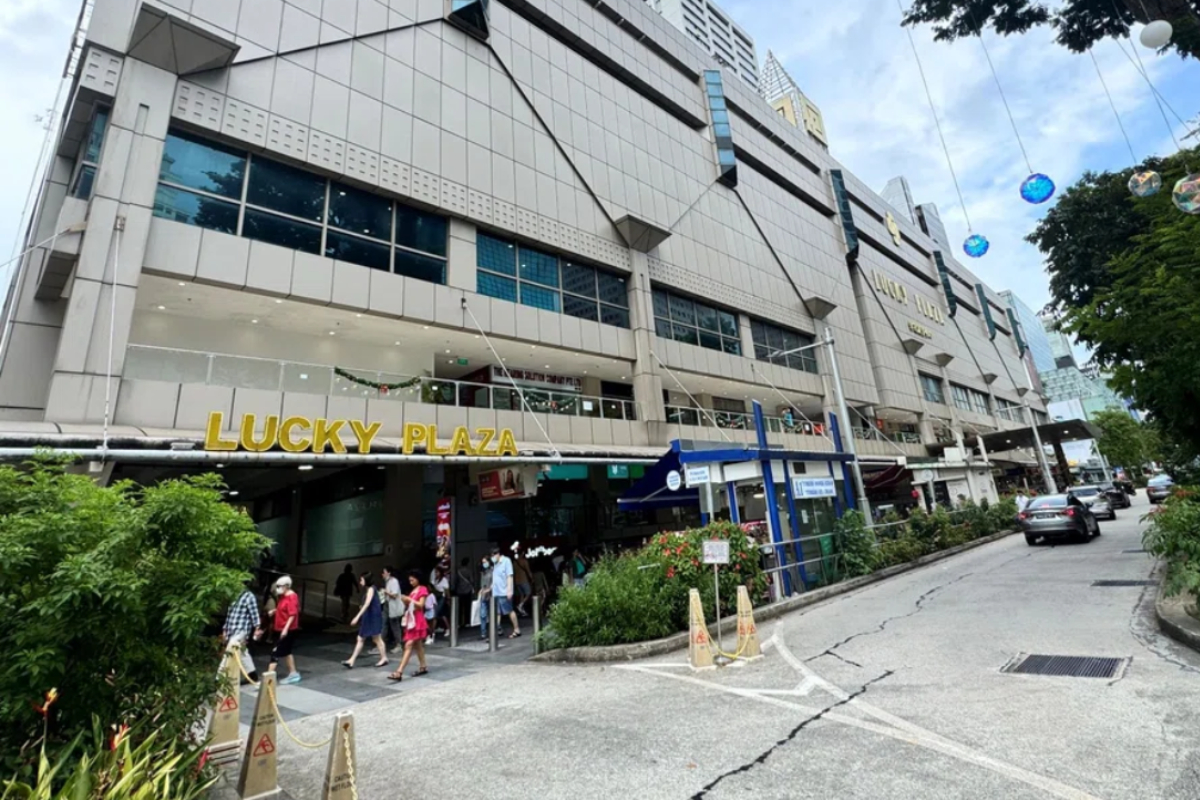
Lucky Plaza was the Far East Organization’s bold “vertical bazaar” that reshaped Orchard Road. Completed in 1981, this 30‑storey mixed‑use development introduced one of Singapore’s earliest multi‑storey, fully air‑conditioned shopping centres. With stacked retail galleries, glass lifts, and a golden bubble lift, Lucky Plaza became a landmark and gathering point, especially for the Filipino community, and helped define Orchard Road as a retail destination.
In the heart of Orchard Road, Lucky Plaza stands out not just as a mall, but as a story of transformation. When Far East Organization brought its “vertical bazaar” idea to life in the early 1980s, it changed how Singaporeans and visitors shopped, socialised, and saw Orchard Road.
How Far East Organization’s vision gave Orchard Road a new pulse
Before Lucky Plaza, Orchard Road was a leafy stretch of shops and cars. But Ng Teng Fong’s Far East Organization saw something more: a chance to build a vibrant, vertical shopping experience.
The company had already developed the Far East Shopping Centre in 1974. That project proved its appetite for innovation. Encouraged, the Far East then set its sights higher, literally. The idea of vertical shopping was still new in Singapore, though other developments like the first shopping atrium in Chinatown had started experimenting with multi-level retail in the 1970s.
When Lucky Plaza opened in 1978, it brought together retail, dining, and entertainment in one lively space, transforming Orchard Road into a bustling, cosmopolitan destination. Its success inspired other developers to explore multi-level malls, helping shape the modern Orchard Road we know today.
The “vertical bazaar” concept: what made Lucky Plaza different
Lucky Plaza was designed by BEP Akitek Pte Ltd. The idea: take a traditional shopping street and turn it upside down.
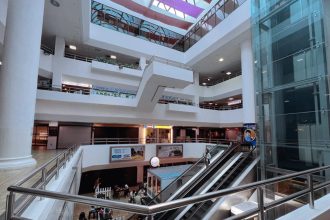
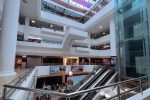
The mall features multiple levels of shops, all wrapped around a large open atrium. Escalators and glass lifts carry shoppers up and down. There was even a golden bubble lift, a novelty at the time, and rare in Southeast Asia.
Far East Organization’s gamble paid off. What critics called a “white elephant” became a magnet for locals, tourists, and small business owners alike. Its success helped pave the way for other developments along Orchard Road, including the early regional shopping center that followed a few years later.
Key numbers and structure
- Address: 304 Orchard Road, Singapore 228863
- Completed: 1981
- Storeys: 30 storeys, with a retail podium up to 6 storeys, residential units above
- Residential units: 88 apartments from the 9th to 30th floors
- Developer: Far East Organization, led by founder Ng Teng Fong
Lucky Plaza: its role in transforming Orchard Road
When Lucky Plaza rose along Orchard Road, it did more than just add retail floors. It helped shift the identity of Orchard Road into something more modern, more densely commercial, and more tourist-friendly.
In the 1970s, Orchard Road was already becoming prominent. But Far East Organization’s projects, first the Far East Shopping Centre, then Lucky Plaza, lit a spark. The vertical design brought people up and down. The open core lets in light. The galleries felt like streets in the sky.
A social hub, especially for the Filipino community
Lucky Plaza is well known as a gathering place for overseas domestic workers, especially Filipinos. On weekends, it’s common to see groups congregating in the mall’s walkways.
The tenant mix also reflects this community. Shops selling Filipino groceries, remittance services, and budget cosmetics line the levels. This made Lucky Plaza more than a mall; it’s a cultural anchor.
Why the vertical bazaar model worked at Lucky Plaza
The design made efficient use of a prime plot on Orchard Road, giving Far East Organization high foot traffic on a small land area. But the success came down to more than just clever architecture.
- Affordable retail space: Hundreds of small units meant that independent merchants could set up shop, keeping rents lower than in luxury malls.
- Open public feel: The stacked galleries and atrium invite foot traffic and social hangouts, not just shopping.
- Vertical connectivity: With escalators and glass lifts, the movement between floors feels intuitive rather than boxy.
- Mixed use: The building also houses residential units, making it active beyond shopping hours.
- Community draw: Over time, specific communities, such as Filipinos, made Lucky Plaza part of their social and cultural life.
How Lucky Plaza holds up now: change and resilience
More than four decades after its completion, Lucky Plaza is still standing, still busy, still serving niche crowds. It has seen ups and downs, but its core identity remains.
Far East Organization continues to own significant units in Lucky Plaza. In early 2025, they put 14 strata-titled units (including retail and food court space) up for sale, a signal that they see both potential and value in the building. The building’s success is a case study in vertical shopping design and multi-level retail planning.
Challenges and modern context
The retail environment on Orchard Road has changed. Flagship malls, luxury players, have grown. Bargain seekers now have many more options beyond Lucky Plaza.
Yet Lucky Plaza’s strength is its niche. Its affordable shops, its social draw, and its connection to the Filipino community remain its core. And the vertical bazaar design continues to offer a sense of discovery and depth that flat malls often lack.
Architectural Features of Lucky Plaza That Still Impress
Lucky Plaza’s design was ahead of its time. The open atrium stretches several floors, creating a sense of space and light uncommon in early 1980s malls. Glass lifts offer vertical views of the bustling galleries, while escalators link each level seamlessly. The golden bubble lift remains a visual icon. Retail units vary in size, accommodating small independent shops and larger stores. Decorative elements such as marble flooring, metal railings, and strategic lighting contribute to a comfortable yet dynamic environment. Even decades later, the mall’s structural clarity and functional design continue to draw both shoppers and architecture enthusiasts alike.
Retail Legacy and Changing Tenants
Over four decades, Lucky Plaza has hosted an evolving mix of retailers. Early tenants included electronics stores, bookstores, and fashion boutiques. As consumer trends shifted, many shops adapted to the needs of budget-conscious shoppers and niche communities. Filipino grocery stores, remittance offices, and eateries became key draws, transforming the mall into a cultural hub. The food court and cafes provide spaces for social interaction. Despite competition from luxury malls and online shopping, Lucky Plaza’s ability to cater to specialized communities and small businesses has ensured its continued relevance. Its retail legacy reflects both flexibility and community focus in urban shopping design.
Quick facts at a glance
| Aspect | Details |
|---|---|
| Address & Developer | 304 Orchard Road; Far East Organization |
| Structure | 30 storeys, mixed‑use with retail podium (basement to 6th) and 88 residential units above |
| Architect | BEP Akitek Pte Ltd |
| Green Certification | BCA Green Mark Platinum |
| Community Role | Gathering point for Filipino domestic workers; shops catering to their needs |
Lasting mark of Lucky Plaza on Orchard Road
Lucky Plaza’s vertical bazaar was more than an architectural choice. It transformed Orchard Road’s spirit, showing that high-density retail could be welcoming, affordable, and social. Over the decades, it has maintained its relevance by serving both shoppers and niche communities, especially the Filipino domestic workers who made the mall a weekend gathering spot. Its stacked galleries, open atrium, and iconic golden bubble lift continue to inspire curiosity and interaction. In that way, Lucky Plaza remains a vertical bazaar not just in form, but in meaning.