Key takeaway
The Oasis in Kallang was once Singapore’s iconic floating entertainment hub. Built over the Kallang Basin in 1969, it combined a restaurant, theatres, nightclubs and octagonal dining pods on stilts. It offered diners a unique waterfront experience until its demolition around 2010–2011. Though the buildings are gone, its memory lives on in Singapore’s social history and the legacy of its famous Taiwanese porridge brand that relocated to MacPherson.
Right beside the old National Stadium, The Oasis stood as a bright node of late‑night dining and entertainment. Over calm waters, diners and party-goers could dine in floating “pods”, watch cabaret shows and soak in the pulse of Singapore’s nightlife. It was more than just a restaurant; it was a social destination near the Kallang River waterfront.
Where was The Oasis and what did it look like?
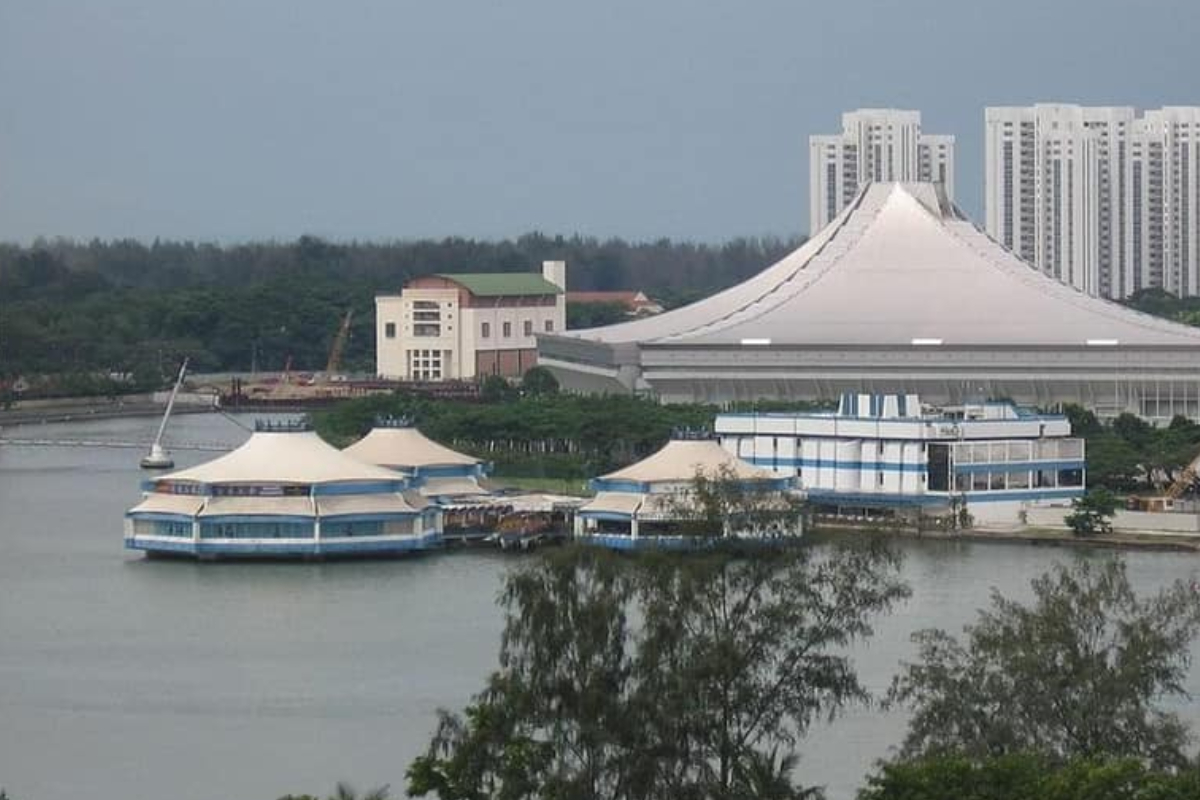
The Oasis, also called “海京樓”, was located on the Kallang Basin waterfront, at the end of Stadium Boulevard. It comprised a three‑storey main building on land, and three octagonal-shaped “pods” built on stilts over the water. These floating structures made The Oasis instantly recognizable from a distance.
The architectural design was handled by Pan‑Malaysian Group Architects, who created that striking mix of land‑based building and water pods. Photographs from the era show night-time lights, a cabaret stage inside the main building, and a lively waterfront life.
Architectural Innovation at The Oasis
The Oasis showcased creative use of waterfront architecture in Singapore. Its octagonal pods were engineered to float steadily on the Kallang Basin, using stilts anchored into the seabed. Each pod had large windows to maximise views of the water, giving diners the sensation of floating above the river. The main building incorporated both traditional and modern materials, with wood finishes and open-air terraces. Its design allowed natural ventilation while providing protection from rain. Architects intentionally blended aesthetics with function, making The Oasis a landmark that balanced visual appeal, social utility, and environmental responsiveness. The floating design also influenced future concepts for leisure spaces along Singapore’s waterways. Today, it is remembered as a pioneering example of integrating architecture with a natural water environment.
The floating restaurants and entertainment scene
The Oasis was not just about food. It was an all-in destination: a restaurant, a theatre, a nightclub, and a cabaret. Local sources recall late-night porridge, glamourous performances, and a lively social circuit that brought people to its waterfront pods. Historic theme park culture of the 1970s shows how popular entertainment venues shaped social life.
Some of the restaurants in those floating pods became household names, especially the Oasis Taiwanese Porridge. The restaurant offered free-flow porridge, a simple dish but presented in a highly memorable place. Over time, the porridge brand survived, even after The Oasis building was torn down. It relocated to Toa Payoh Town Park, and today operates at MacPherson.
Entertainment Beyond Dining
The Oasis offered more than meals; it was a hotspot for nightlife and performances. The cabaret hosted live singers and dancers, while weekend evenings often featured jazz and popular local bands. Visitors could attend themed parties or private events in the pods, which acted as intimate performance spaces. The nightclub on the ground floor drew youth and music enthusiasts with light shows and DJ performances. By combining food with entertainment, The Oasis pioneered a hybrid social space, where people could dine, dance, and enjoy music all in one location. It became a template for waterfront leisure venues.
Theatre nights and nightclub events were part of the draw. There was a cabaret inside the main building, offering performances to diners and party-goers. Visitors remember horror-themed rooms, dancing crowds, and a place that felt part restaurant, part entertainment playground.
The social life at The Oasis
The Oasis was more than just architecture. It played a big social role. Families came for its food. Couples came for romantic dinners on the water. Youth came for the nightclub or cabaret. It became a part of Kallang’s identity, especially because it sat near the National Stadium and Kallang Park, both important social and sporting venues.
Accessibility and Local Connections
The Oasis was easily accessible by both public and private transport. Visitors often arrived from the nearby Kallang MRT station or took buses from the city center. Cyclists and joggers from Kallang Riverside Park frequently stopped by for a meal or drink. Its location near the National Stadium meant crowds attending football matches or concerts could extend their evening at The Oasis. Local businesses and residential areas benefited from the foot traffic, as diners contributed to the economic activity of the neighborhood. This connectivity reinforced The Oasis as a lively, inclusive gathering spot for both residents and visitors alike.
Visitors often said that dining in those floating pods made them feel like they were on a boat. That kind of memory is powerful: The Oasis was not just a place, it was a feeling.
Why The Oasis was demolished
Even though The Oasis was iconic, it did not survive the redevelopment of Kallang. When the old National Stadium was torn down, The Oasis went with it. The redevelopment plan made way for what is now the Singapore Sports Hub. The need for modern sports and entertainment infrastructure gained priority over preserving the floating octagonal structures.
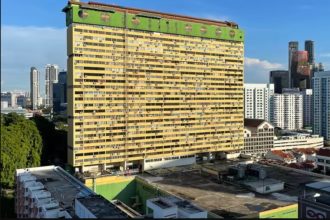
The China Complex then became one of the go-to spots for delicious food among locals and visitors alike.
Legacy of The Oasis today
Although the physical buildings are gone, the legacy of The Oasis lives on in several ways:
- Cultural memory: Singaporeans still reminisce about its floating pods, its nightlife, and the food. Nostalgia posts on forums regularly bring up The Oasis.
- Oasis Taiwanese Porridge: The restaurant survived by relocating. Its current address is at Gentrall Mall, MacPherson Road.
- Architectural inspiration: The octagonal pod design remains a memorable example of 1970s waterfront architecture in Singapore. It’s referenced in architectural retrospectives and museum collections.
How The Oasis is remembered in history
In historical writings, The Oasis gets attention in pieces about Kallang Park, the National Stadium, and the “lost” entertainment of old Singapore. The blog Long and Winding Road has written fondly about its demolition and how it altered the landscape of Kallang. Meanwhile, matchbook collections and archives document its visual identity.
Quick facts about The Oasis and related buildings
| Building | Key facts | Nearest MRT | Sources |
|---|---|---|---|
| The Oasis (Kallang Basin complex) | 3‑storey main building, 3 octagonal pods over water; opened ~1969; demolished by 2011 | Stadium MRT (Circle Line) | Historical archives and community blogs |
| Kallang Park | Public park from 1959 to ~1970s, site of Wonderland, stadium, and Oasis | Stadium MRT | Historical records and archives |
| Singapore Sports Hub / National Stadium | Redeveloped on the land where Oasis once stood; modern stadium complex replacing old stadium | Stadium MRT | Official redevelopment records |
Remembering Kallang’s Floating Oasis
The Oasis at Kallang was an anchor point of social life for decades, a place where people came to eat, laugh, watch shows, and feel close to the water. Even though the iconic octagonal pods are no longer there, the memories remain vivid. Visitors can read about its history and architectural significance as a floating entertainment hub. It reminds us that in Singapore’s built history, it is not just skyscrapers that matter; equally meaningful are places that reflect how people lived and socialised. Today, The Oasis continues to inspire waterfront designs in Singapore, showing how social spaces can shape communities. Its legacy endures in stories, photographs, and the continued popularity of waterfront dining experiences.